Cape Fear Stucco · Wilmington & the Cape Fear coast
Why EIFS Fails on the Cape Fear Coast
Older EIFS is a face-sealed wall with nowhere for water to go. On the coast, that is a slow rot you cannot see.
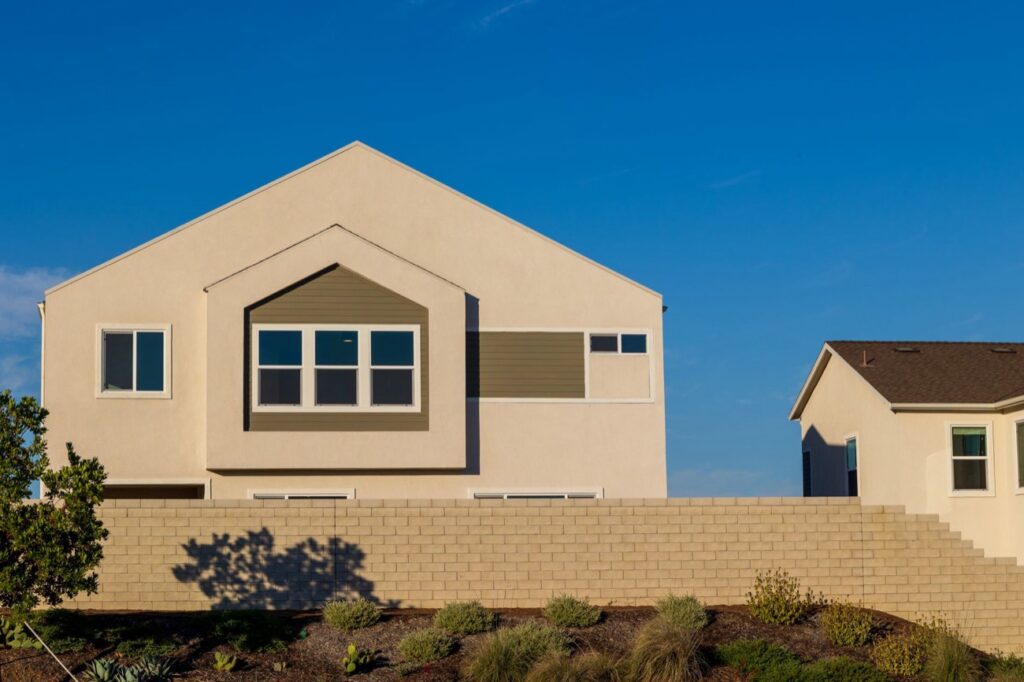
Older EIFS is a face-sealed wall with nowhere for water to go. On the coast, that is a slow rot you cannot see.
Repair and full remediation, every time. You see both numbers.
Probe data sets the scope - not a salesman, not the finish.
Send your report; we tell you what it actually requires.
EIFS does not fail because the surface wears out. It fails because water gets in and has nowhere to go.
Most EIFS installed on the Cape Fear coast between 1985 and 2005 is what the industry calls a barrier system. Foam board, glued to the sheathing, coated in mesh and acrylic. The whole wall is designed to keep water on the outside. When it works, it works. The trouble is what happens when a single joint, a window flange, or a missing piece of flashing lets water past that outer skin.
There is no drainage plane in an older EIFS wall. No gap, no weep, no escape path. Water that gets behind the acrylic sits against the wood sheathing. It does not dry out. It rots the OSB, then the studs, and it does all of that behind a wall that still looks flawless from the driveway.
Usually nothing, for years. That is the hard part. By the time you see a soft spot below a window, a stain bleeding through, or trim that gives when you press it, the damage behind the board is already advanced. Homeowners are shocked when the board comes off. The face was fine. The sheathing behind it was black.
Wilmington, Wrightsville Beach, Leland, the whole Cape Fear region punishes a face-sealed wall harder than an inland town does.
None of this is a defect in the homeowner. It is the wall design meeting the wrong climate. The earliest documented EIFS moisture failures in the country were coastal Carolina homes for exactly this reason. We explain that history on why Wilmington is the EIFS epicenter.
Water almost never comes through the field of the wall. It comes through the details.
A hardcoat stucco wall telegraphs trouble. It cracks, it spalls, you can see it. EIFS does not. The foam holds its shape and the acrylic skin flexes, so the wall reads as healthy long after the wood behind it has failed. That is why a moisture inspection is not optional on these homes. A meter finds what your eyes cannot.
A two-story home in a Wilmington neighborhood built in the late 1990s, EIFS on all four sides, never a visible problem in twenty-plus years. The owners go to sell. The buyer’s moisture inspection lights up under three second-floor windows and at both roof-wall junctions. The readings were high in the exact spots the design predicts. The wall looked perfect the whole time. It usually does.
You do not fix a face-sealed wall by sealing it harder. You fix the rot, correct the details that let water in, and where the exposure warrants it, rebuild with a drainable EIFS that has a drainage plane so any future water can weep back out. What your specific wall needs depends entirely on what the readings show, not on how it looks. Send us your inspection report and we will tell you what it actually requires.
The whole story comes down to one design choice. A barrier system bets everything on the outer skin never being breached. A drainable system assumes water will eventually get in and gives it a path back out. On the Cape Fear coast, betting against water is a losing bet over twenty years, and the wood pays for it. That is why remediation here is not about a prettier finish. It is about swapping a wall that traps water for a wall that lets it leave.
Upload the inspection report or photos of the readings. We tell you what it actually requires - repair or full remediation - honestly, before your closing date does.